Sri Lanka's tropical climate presents unique challenges for hair care. With high humidity, intense sun, and seasonal monsoons, your hair needs special attention to stay healthy and beautiful. This comprehensive guide provides expert tips tailored specifically for Sri Lankan conditions.
Understanding Sri Lanka's Climate Impact on Hair
Sri Lanka's tropical climate affects hair in several ways:
High Humidity Effects
- Frizz and Tangles: Humidity causes hair to absorb moisture and swell
- Scalp Issues: Increased sweating can lead to dandruff and infections
- Oil Production: Scalp may produce excess oil to compensate
- Product Buildup: Styling products may not work as intended
Sun Exposure Damage
- UV Radiation: Breaks down hair proteins and color
- Dryness: Sun strips natural oils from hair
- Brittleness: Hair becomes weak and prone to breakage
- Scalp Sunburn: Exposed scalp areas can burn
Monsoon Challenges
- Increased Moisture: Hair takes longer to dry
- Fungal Growth: Wet conditions promote scalp infections
- Mineral Buildup: Rainwater may contain impurities
- Styling Difficulties: Humidity makes styling challenging
Year-Round Hair Care Routine for Sri Lanka
Daily Care (All Seasons)
Morning Routine:
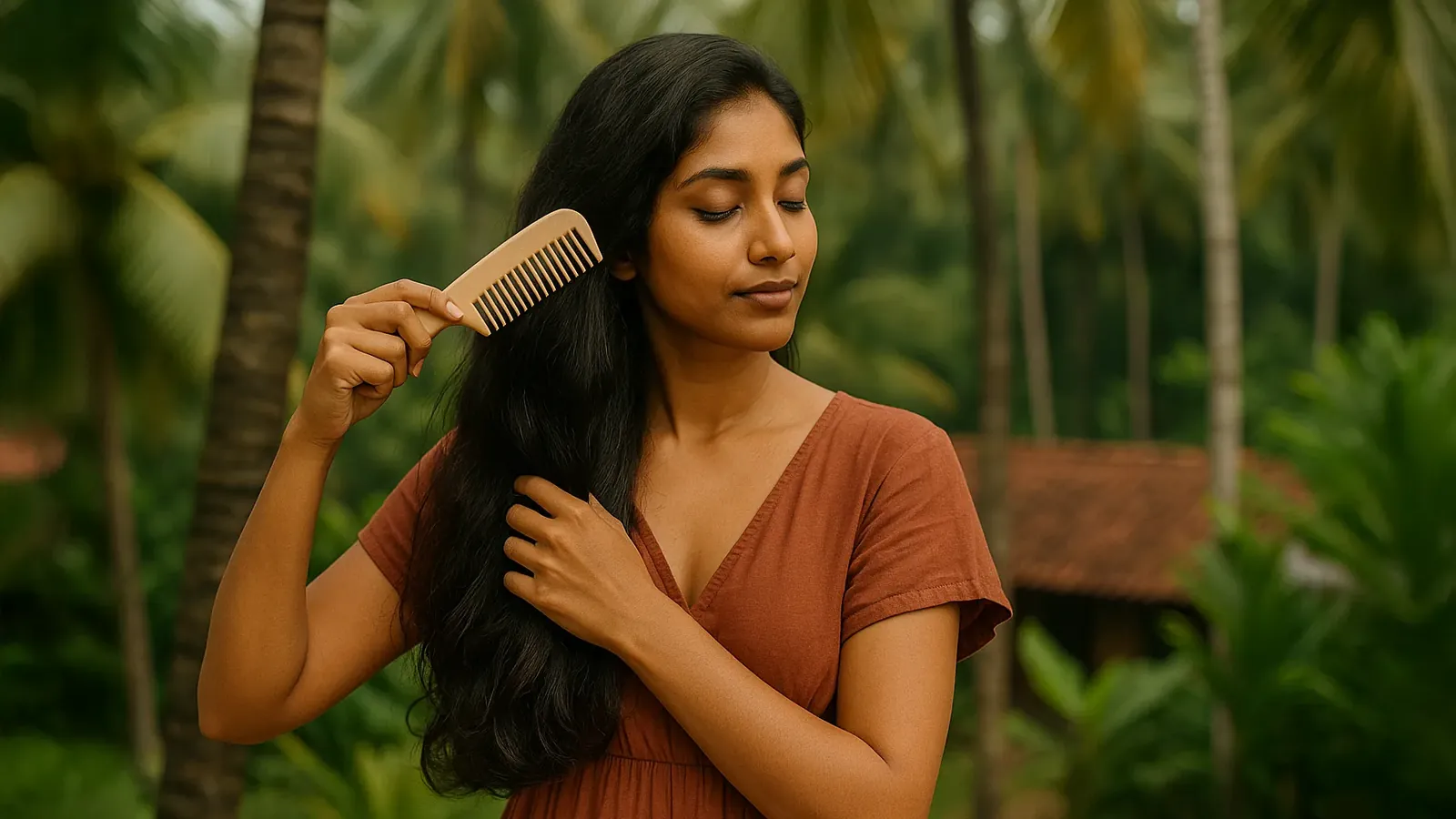
- Gentle detangling with wide-tooth comb
- Light natural oil application to ends
- UV protection spray or serum
- Loose protective hairstyles
Evening Routine:
- Scalp massage with natural oils (2-3 times/week)
- Gentle brushing to distribute oils
- Silk or satin pillowcase for sleep
- Loose braids or buns to prevent tangling
Weekly Deep Care
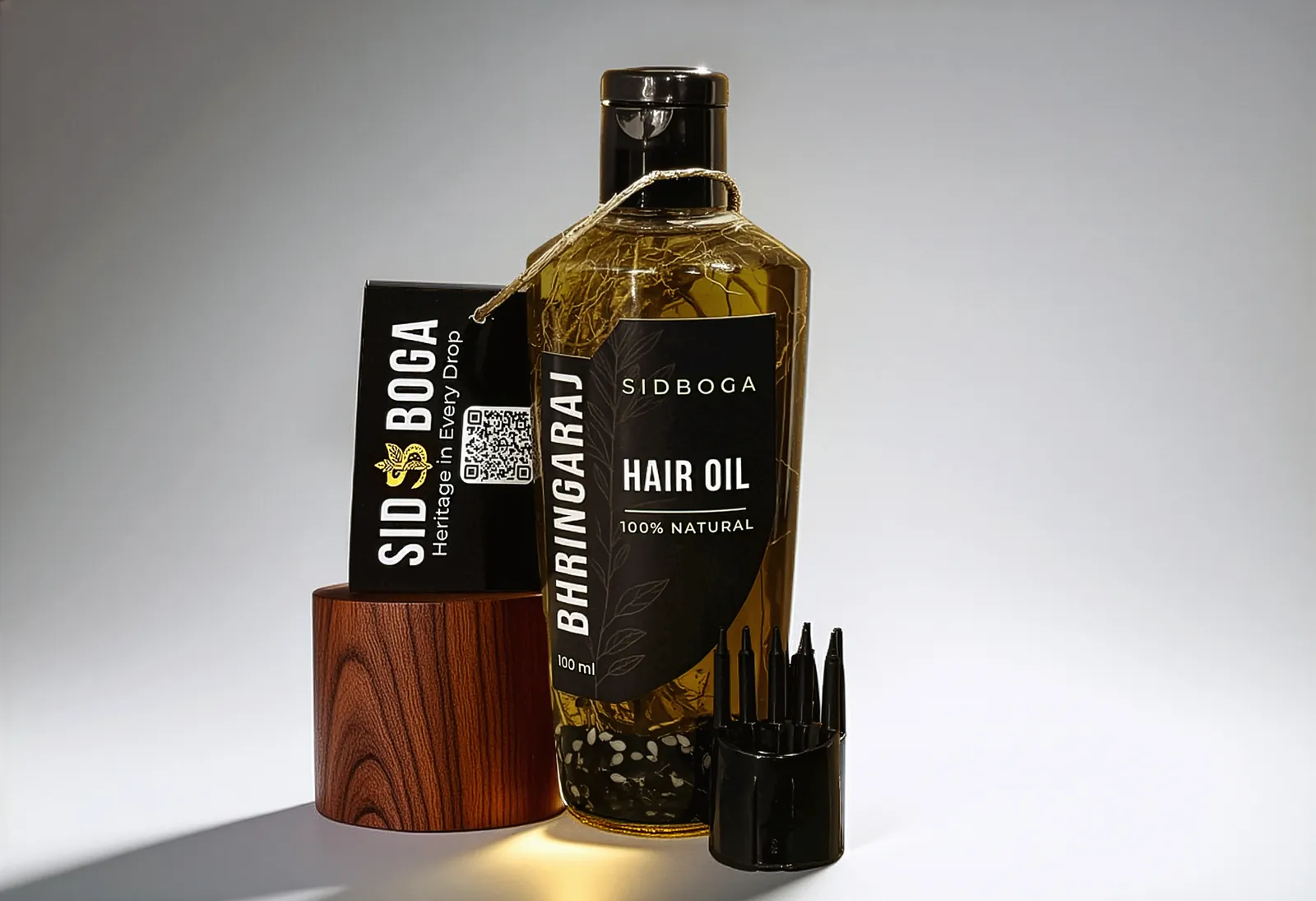
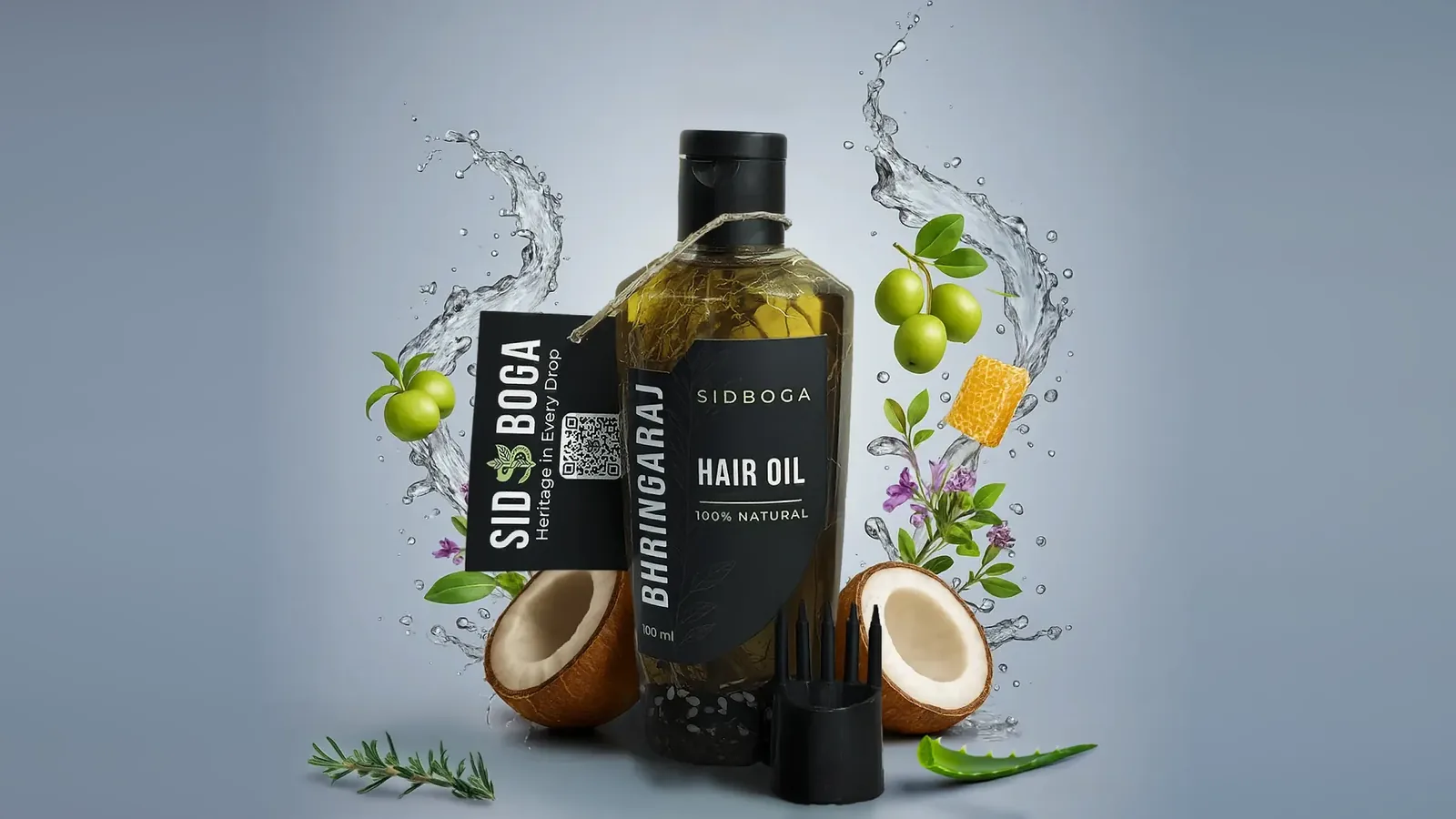
- Oil Treatment: Deep conditioning with SidBoga Bhringraj oil
- Hair Masks: Natural ingredients like egg, yogurt, honey
- Scalp Exfoliation: Remove buildup and dead skin
- Natural Rinses: Rice water, hibiscus, or neem water
Seasonal Hair Care Strategies
Dry Season (December-April)
Focus: Moisture and Sun Protection
- Increase oil treatments to 3 times per week
- Use deeper conditioning masks
- Apply leave-in treatments for UV protection
- Cover hair when outdoors for extended periods
- Drink extra water to hydrate from within
Monsoon Season (May-September)
Focus: Cleanliness and Anti-Fungal Care
- Wash hair more frequently (every 2-3 days)
- Use clarifying shampoos to remove buildup
- Apply anti-fungal treatments (neem, tea tree)
- Ensure hair is completely dry before styling
- Use natural dehumidifying agents like rice starch
Inter-Monsoon Periods
Focus: Repair and Strengthening
- Intensive protein treatments to repair damage
- Regular trimming to remove split ends
- Gradual transition in care routine
- Prepare hair for upcoming seasonal changes
Natural Ingredients Perfect for Sri Lankan Hair
Traditional Sri Lankan Remedies
- Coconut Oil: Perfect for tropical humidity, readily available
- Curry Leaves: Strengthens hair, prevents graying
- Hibiscus: Natural conditioner, adds shine
- Fenugreek: Protein-rich, controls dandruff
- Aloe Vera: Cooling, anti-inflammatory properties
Ayurvedic Herbs for Hair
- Bhringraj: King of herbs for hair growth
- Amla: Vitamin C powerhouse, prevents graying
- Neem: Anti-bacterial, treats scalp conditions
- Brahmi: Strengthens hair follicles
- Rosemary: Improves circulation, promotes growth

Styling Tips for Humid Weather
Frizz-Fighting Techniques
- Plopping Method: Use cotton t-shirt instead of towel
- Scrunching: Encourage natural curl pattern
- Cool Water Rinse: Seals hair cuticles
- Natural Gels: Flax seed or aloe vera gel
Heat-Free Styling
- Braiding: Create waves without heat
- Twist-outs: Define curls naturally
- Pin Curls: Vintage styling without damage
- Headband Curls: Easy overnight waves
Diet and Lifestyle for Healthy Hair
Hair-Healthy Sri Lankan Foods
- Fish and Seafood: Omega-3 fatty acids for shine
- Green Leafy Vegetables: Iron and folate for growth
- Coconut Products: Healthy fats and vitamins
- Tropical Fruits: Vitamins A and C for scalp health
- Lentils and Legumes: Protein for hair strength
Hydration and Supplements
- Drink 8-10 glasses of water daily
- Include coconut water for electrolytes
- Consider biotin and vitamin D supplements
- Herbal teas like gotu kola for circulation
Common Hair Problems in Sri Lanka and Solutions
Problem: Excessive Hair Fall
Solution:
- Use traditional hair oils like SidBoga Bhringraj oil
- Reduce heat styling and chemical treatments
- Gentle scalp massage to improve circulation
- Address underlying stress and nutrition
Problem: Dandruff and Scalp Issues
Solution:
- Anti-fungal treatments with neem or tea tree
- Regular clarifying shampoos
- Apple cider vinegar rinses
- Keep scalp clean and dry
Problem: Dull, Lifeless Hair
Solution:
- Regular deep conditioning treatments
- Natural shine boosters like egg masks
- Protect from UV damage
- Improve diet and hydration
Problem: Premature Graying
Solution:
- Amla and curry leaf treatments
- Reduce stress through meditation
- Ensure adequate nutrition
- Regular oil massage for circulation
Professional Hair Care in Sri Lanka
When to Seek Professional Help
- Persistent scalp conditions
- Severe hair loss or thinning
- Chemical damage from treatments
- Allergic reactions to products
Choosing the Right Salon
- Look for experience with Sri Lankan hair types
- Ask about natural and organic options
- Check reviews and recommendations
- Ensure proper hygiene and sanitation
Budget-Friendly Hair Care Tips
- DIY Treatments: Use kitchen ingredients for masks
- Local Ingredients: Source herbs and oils locally
- Multi-purpose Products: Coconut oil for hair and skin
- Preventive Care: Regular maintenance prevents costly treatments
Frequently Asked Questions
How often should I wash my hair in Sri Lankan climate?
In Sri Lanka's humid climate, most people should wash their hair every 2-3 days. Those with very oily scalps may need daily washing, while those with dry hair can extend to every 3-4 days.
What's the best time to apply hair oil in Sri Lanka?
Apply hair oil in the evening, 2-3 hours before bed, or overnight. This allows proper absorption without attracting dust and pollution during the day.
How can I protect my hair from humidity?
Use natural leave-in treatments, avoid over-brushing when humid, choose humidity-resistant styles, and consider natural anti-frizz treatments like aloe vera gel.
Conclusion
Caring for your hair in Sri Lanka's tropical climate requires understanding the unique challenges and adapting your routine accordingly. By using traditional remedies, natural ingredients, and climate-appropriate techniques, you can maintain healthy, beautiful hair year-round.
Remember, consistency is key. Stick to a routine that works for your hair type and lifestyle, and don't be afraid to adjust as seasons change. With proper care and the right products, your hair can thrive in Sri Lanka's beautiful but challenging climate.