Postpartum hair fall can feel scary, especially when you are already balancing sleep loss, breastfeeding, and recovery after childbirth. The good news: most postpartum shedding is temporary. With the right routine, many mothers in Sri Lanka can reduce breakage, calm scalp stress, and support healthier regrowth naturally.
This guide explains why postpartum shedding happens, what is normal, when to seek medical help, and how to follow a realistic 90-day natural hair recovery plan that fits a busy new-mother schedule.

Why Postpartum Hair Fall Happens
During pregnancy, high estrogen keeps more hairs in the growth phase (anagen), so hair often looks thicker. After delivery, estrogen drops and many of those hairs shift into the shedding phase (telogen) together. This is called postpartum telogen effluvium.
- Typical start: 2 to 4 months after delivery
- Peak shedding: Around months 4 to 6 postpartum
- Common recovery: Visible baby-hair regrowth by 6 to 12 months
So if you notice extra hair on your pillow, comb, or bathroom drain, you are not alone. For many mothers, this is a normal hormonal phase.
What Is Normal vs. Not Normal?
Usually normal: Diffuse shedding all over the scalp without round bald patches, mild volume loss near the hairline, and gradual improvement over months.
Needs medical review: Bald patches, severe scalp redness/itching, shedding lasting beyond 12 months, dizziness/fatigue, or signs of thyroid/iron deficiency. A doctor can check ferritin, thyroid function, vitamin D, and B12.
The 90-Day Natural Postpartum Hair Recovery Plan
Phase 1 (Days 1-30): Calm the Scalp + Reduce Breakage
- Warm oil scalp massage: 2 to 3 times weekly, 5 minutes each session
- Use fingertips only: No nails, no hard friction
- Switch to mild shampoo: Sulphate-light or sulphate-free if possible
- No tight styles: Avoid tight ponytails and buns that stress the hairline
- Detangle gently: Wide-tooth comb, starting from ends upward
Phase 2 (Days 31-60): Rebuild Nutrition + Follicle Support
Postpartum hair health is strongly linked to recovery nutrition. Focus on practical local foods available in Sri Lanka:
- Protein daily: Eggs, fish, dhal, chickpeas, cowpea
- Iron sources: Mukunuwenna, gotukola, beef/liver (if eaten), sesame
- Vitamin C pairing: Lime, guava, nelli to improve iron absorption
- Healthy fats: Coconut, nuts, seeds for scalp barrier support
- Hydration: 2 to 2.5L fluids daily unless advised otherwise
If breastfeeding, continue your doctor-advised postpartum supplements consistently.

Phase 3 (Days 61-90): Stimulate Regrowth + Track Results
- Continue oiling routine: 3 times per week if scalp tolerates well
- Add scalp consistency: Same days every week for habit-building
- Monthly progress photos: Same lighting, same angle, dry hair
- Trim split ends: Light trim every 8 to 10 weeks to reduce breakage
- Protect sleep quality: Even short daytime naps support hormonal recovery
Safe Ayurvedic Support for New Mothers
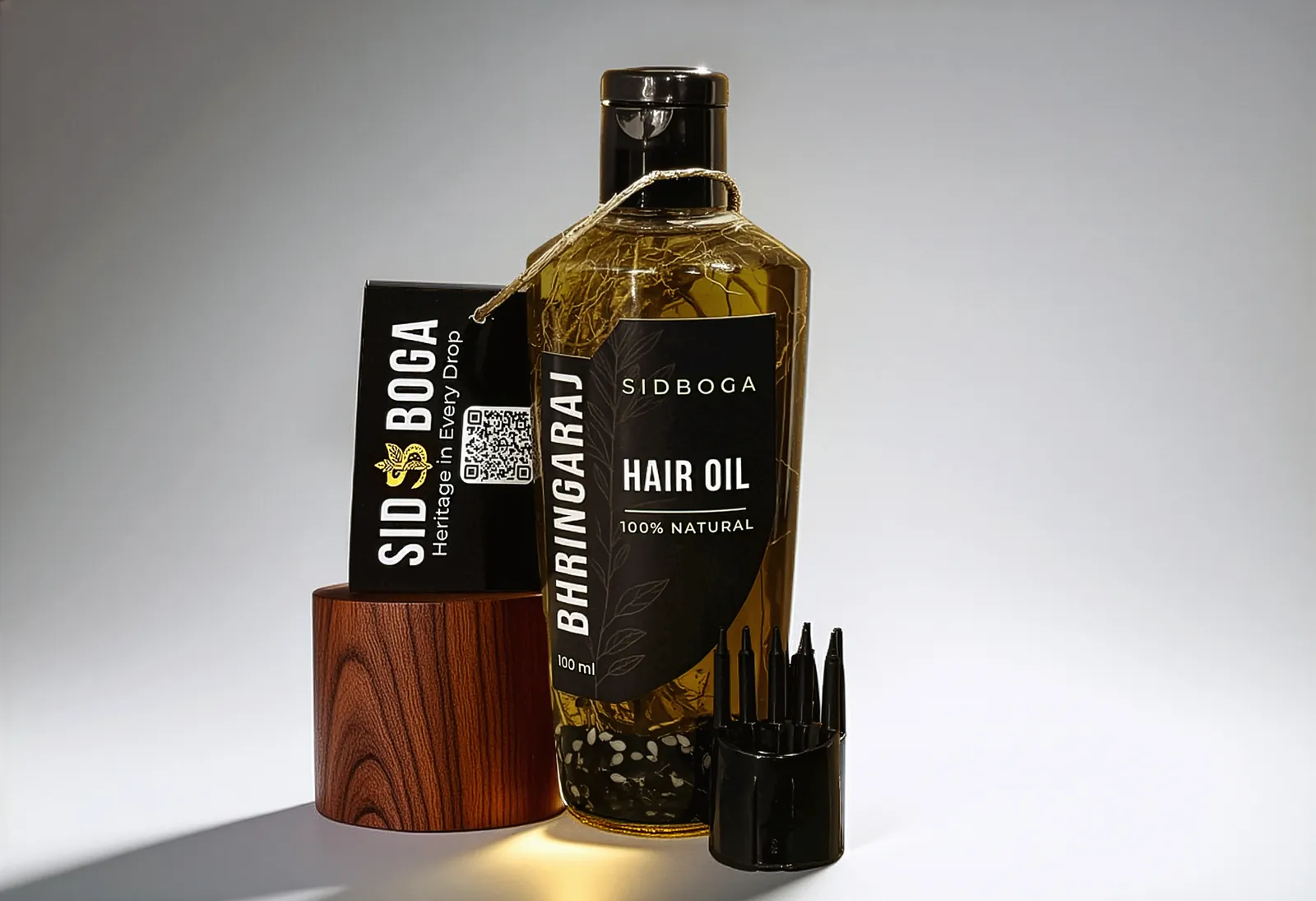
Many Sri Lankan families use gentle herbal oils postpartum. Choose products that are transparent, non-irritating, and free from harsh perfumes or unnecessary synthetic additives. A balanced herbal blend with ingredients such as Bhringraj, Amla, Fenugreek, and Virgin Coconut Oil can support scalp comfort and reduce breakage when used consistently.
Patch test first: Apply a small amount behind the ear for 24 hours before full use.
Postpartum Hair Care Mistakes to Avoid
- Starting multiple aggressive treatments at once
- Using very hot water for every wash
- Skipping meals due to a busy newborn schedule
- Believing all shedding means permanent hair loss
- Comparing progress weekly instead of monthly
Frequently Asked Questions
How much postpartum hair fall is normal per day?
There is no single exact number, but temporary increased shedding for several months can be normal after delivery. What matters most is trend over time and whether regrowth appears.
Can I oil my hair while breastfeeding?
In most cases, gentle external oiling is fine. Choose mild formulations, patch test first, and avoid applying products where the baby may ingest them accidentally.
When should I consult a doctor?
If shedding is severe, patchy, painful, or not improving after 9 to 12 months postpartum, ask for medical evaluation including ferritin and thyroid checks.
How long until my hair becomes thick again?
Many mothers see improvement by months 6 to 12 postpartum. Full density recovery can take longer depending on nutrition, stress, sleep, and baseline scalp health.
Conclusion
Postpartum hair fall is emotionally difficult, but for most new mothers it is manageable and temporary. A consistent, low-stress routine works better than quick fixes. Focus on gentle scalp care, local nutrient-dense food, and realistic tracking over 90 days.
Small consistent habits can restore confidence and support stronger regrowth naturally.
Medical note: This article is educational and does not replace personalized medical advice. Consult your healthcare provider for diagnosis and treatment decisions during postpartum recovery.